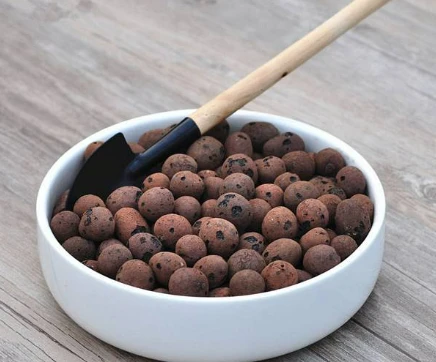
clay pebbles in potted plants
In the fields of modern horticulture and agriculture, with the rise of soilless cultivation techniques, Hydroponic Clay Pebbles are emerging as a key cultivation substrate, providing new solutions for plant growth. This artificially fired ceramic particle may seem ordinary, but it contains many characteristics that make it indispensable in soilless cultivation. Appearance of Hydronic Clay Pebbles Hydroponic clay balls often have a regular circular or elliptical appearance, with a hard ceramic or enamel shell on the surface, which not only gives them high strength, but also serves as a water and gas barrier. The interior is a dense honeycomb like microporous structure, most of which are closed, creating the characteristic of lightweight ceramic particles, with a particle size generally in the range of 5-25 millimeters. In terms of composition, it is mainly made by high-temperature sintering of minerals such as clay and shale, which have stable chemical properties and are not easily reactive with external substances. Hydronic Clay Pebbles have a range of outstanding performance features In terms of physical properties, hydroton clay pellets are lightweight, easy to transport and operate, and form a large number of gaps between particles, with good breathability, which can create a sufficient aerobic environment for plant roots and promote root respiration and growth. In terms of water and fertilizer retention, ceramic particles perform well. The internal micropores can store a large amount of water. When the water around the plant roots is insufficient, it slowly releases water to maintain root moisture; It also has the ability to adsorb and release nutrients from fertilizers, providing continuous nutrient support for plant growth. In addition, ceramic particles have strong chemical stability and will not interfere with the pH of the cultivation environment. They are also not easy to breed bacteria and pests, ensuring a clean and stable plant growth environment. With these excellent features, Hydronic Clay Pebbles have been widely used in multiple scenarios In home gardening, whether it is hydroponic flowers, such as chlorophytum comosum, green pineapple, or small vegetable planting, clay growing media can be used as an ideal fixed substrate to help plants take root and improve their beauty. In large-scale commercial soilless cultivation farms, ceramic particles are widely used in the industrial production of vegetables and flowers, providing support for achieving efficient and high-quality soilless cultivation. Its stable performance ensures consistency in plant growth, facilitates large-scale management, and reduces production costs. In urban greening, ceramic particles are used for rooftop gardens, vertical greening, and other projects. Their lightweight characteristics reduce building load-bearing capacity, and their good water retention and breathability meet the growth needs of plants in special environments, helping to create green urban spaces. With the development of technology, Hydronic Clay Pebbles is also constantly innovating On the one hand, the production process continues to be optimized, and by precisely controlling parameters such as raw material ratio, sintering temperature, and time, the quality and performance stability of ceramic particles are further improved. On the other hand, R&D personnel are committed to developing ceramic particles with richer functions, such as adding specific minerals or microorganisms to enhance the nutrient supply capacity of ceramic particles, or endowing them with antibacterial and antiviral properties, providing more comprehensive protection for plant growth. Hydroponic expanded balls , with their unique structure and excellent performance, have shown great application value in the field of soilless cultivation. From home to farm, from indoor to outdoor, it is changing the way plants are cultivated, driving horticulture and agriculture towards more efficient, environmentally friendly, and intelligent directions. In the future, with continuous technological breakthroughs, Hydronic Clay Pebbles are expected to shine in more fields, creating a greener and better living environment for people. Hydroponic Clay Pebbles FAQs What is Hydronic Clay Pebbles? Hydronic Clay Pebbles are a lightweight porous medium designed specifically for soilless cultivation, typically made from clay fired at high temperatures. They are circular or elliptical in shape, covered with fine pores on the surface, and have good breathability and water retention. They can provide stable support and oxygen exchange environment for plant roots, while not decomposing or changing water quality, making them very suitable for circular hydroponic systems. What are the core advantages of Hydronic Clay Pebbles? The unique structure of Hydronic Clay Pebbles combines drainage and water retention, effectively preventing root rot. They are chemically stable, do not release harmful substances, can be reused, and are easy to clean. Compared to other substrates, ceramic particles can reduce algae growth and promote beneficial microbial attachment through pore structure, helping plants absorb nutrients. How to use Hydronic Clay Pebbles correctly? Before use, rinse with clean water to remove dust. It is recommended to soak for 24 hours for the first use to balance the pH value. When planting seedlings, ceramic particles can be combined with seedling blocks to ensure that the roots are fully exposed to nutrient solutions. Regularly check whether the ceramic particles are blocking the drainage holes, and disinfect the ceramic particles with diluted hydrogen peroxide solution every quarter in the circulation system. What plants are suitable for planting Hydronic Clay Pebbles? Ceramics are particularly suitable for plants with high root oxygen demand, such as lettuce, strawberries, mint and other herbaceous crops, and are also commonly used for planting ornamental plants such as orchids and green ivy. For large woody plants or carnivorous plants that require high humidity, it may be necessary to use other substrates in combination. What is the lifespan of Hydronic Clay Pebbles? Under normal maintenance, ceramic particles can be reused for 2-3 years. When there is obvious pulverization, pore blockage, or salt crystallization accumulation, it needs to be replaced. After long-term use, mineral deposits can be dissolved by soaking in weak acid solution, and the performance can be partially restored after drying. During storage, direct sunlight should be avoided to prevent surface algae growth.
-
0 YearEstablished in 1997
-
0Celia Mica Produced
-
0 ㎡Factory Floor Area
APPLICATION
-

-
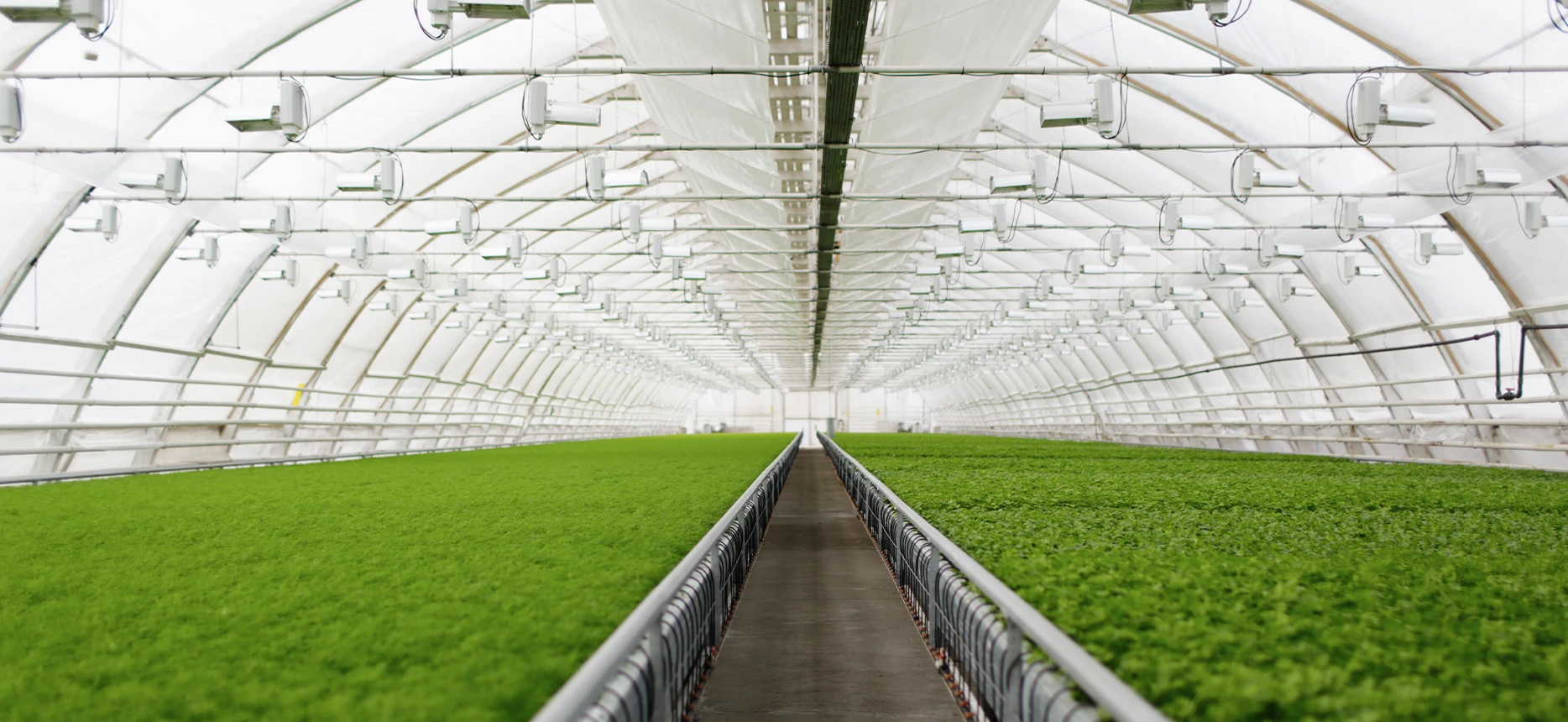
ApplicationHydroponics GardeningGrowing Mediums Gardening &Horticulture Hydroponics&Aquaponics Agricultur al&Greenhouse
-

-
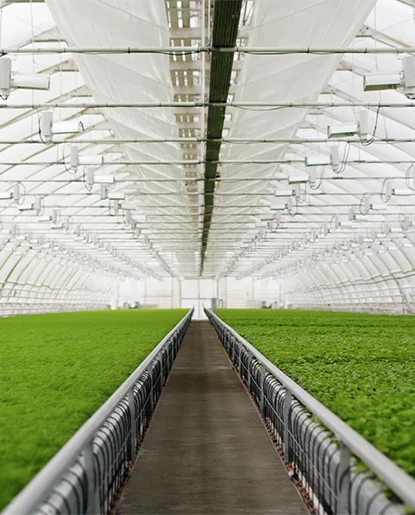
ApplicationHydroponics GardeningGrowing Mediums Gardening &Horticulture Hydroponics&Aquaponics Agricultur al&Greenhouse
 Industrial
Minerals
Industrial
Minerals
 Hydroponics
Gardening
Hydroponics
Gardening